


 blog
blog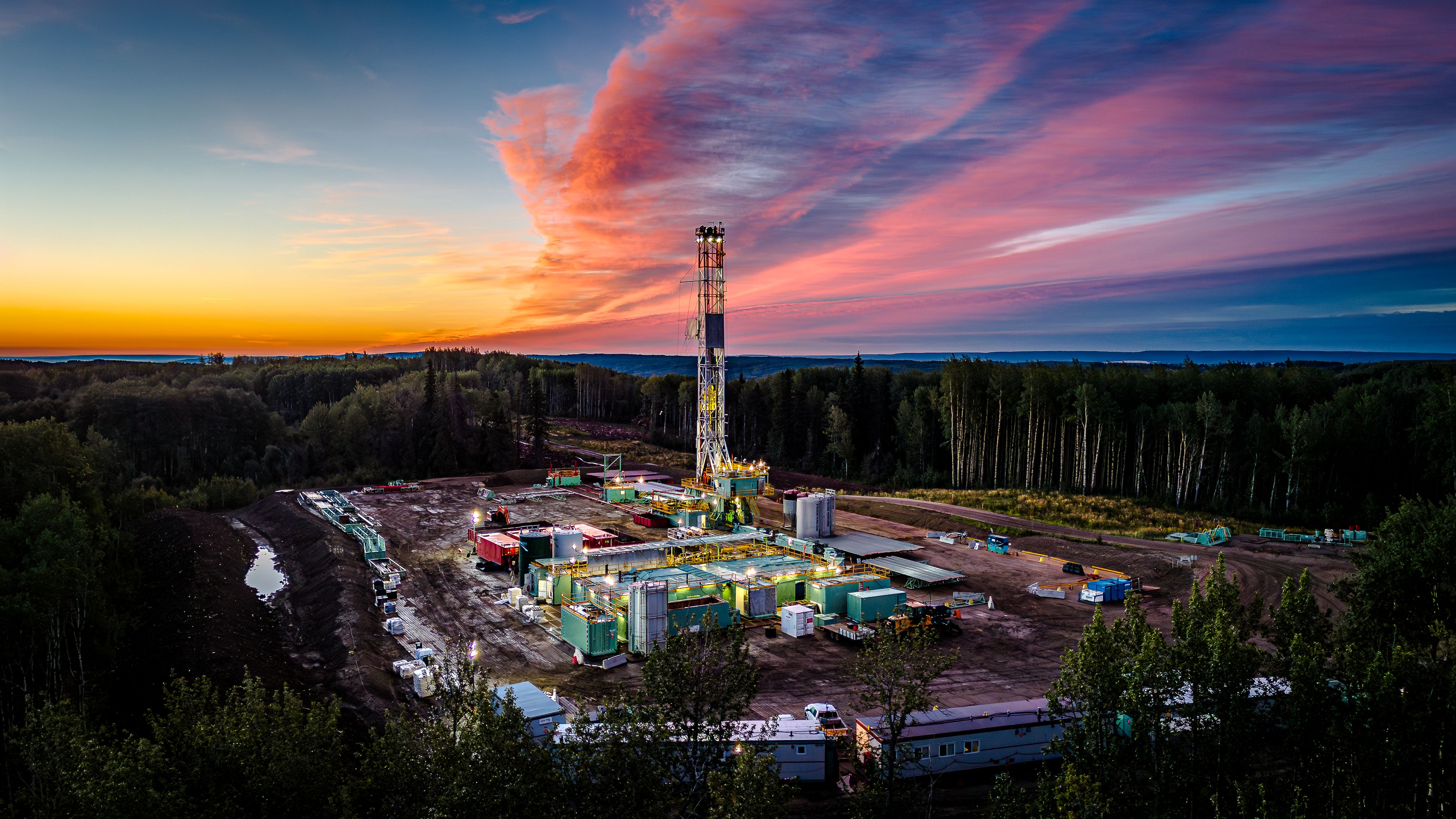
Canada is producing record amounts of oil and gas, yet the companies that drill the wells have had a hard decade. About a third as many drilling rigs are working today as in 2014, and for most of that time the rig owners have struggled to turn a profit. More demand did not mean more profit. To understand why, it helps to separate two kinds of business.
Ian Turnbull, an analyst on our Canadian small-cap team, recently studied the drilling industry and found two forces working against it. First, technology made each rig more productive. The same rig drills faster than it used to, and an upgraded rig faster still. Instead of just running vertically, wells that run horizontally for five kilometres, paired with better completion methods, pull more oil from each metre drilled. Fewer rigs are needed for the same output. Second, the industry built a lot of new rigs during the 2010 to 2014 boom and rigs lives last for decades. Drilling capacity grew substantially faster than demand while demand was high, demand subsequently dropped, and over-capacity caused prices to fall.
In other words, drilling had become an abundance business, with supply getting cheaper and more plentiful faster than demand could absorb it. A scarcity business is the opposite, where supply is hard to add and tends to get more expensive over time. A growing market can lift both, but it's the scarce one that tends to hold onto the gains.
Lately the rig market has tightened. After years of rigs being taken out of service and none being built, the most capable rigs—those built for oil sands steam-assisted drilling (SAGD) and long horizontal wells in the Montney—could be close to fully booked this winter. However, less efficient rigs are plentiful and can return to work if prices rise, which limits what the best rigs can charge. Major new pipelines and LNG export terminals aren't expected until 2030 to 2035, so until then those older rigs should be enough to keep the market from getting truly tight.
That is why Ian sees an opportunity in Total Energy Services. Its founder wouldn't justify buying new rigs during the boom, so the company owns mostly older ones. It also avoided writing down the value of its fleet, as many peers did who aggressively expanded during the good times. It was able to consolidate the industry when previously aggressive competitors fell on hard times—counter-cyclical capital allocation has created shareholder value for them. Looking forward, any increase in demand strong enough to put those older rigs back to work is upside for Total.
Businesses on the scarcity side are in a very different spot. As oil wells age, they tend to produce more natural gas, and that gas has to be compressed before it can be moved. Enerflex and Total Energy Services sell that equipment, and their prices are rising by more than their own costs.
The same is true of skilled labour. The federal government estimates Canada will need more than 1.4 million new trades workers by 2033 as a wave of retirements hits. That shortage may slow Canada's build out, but it's also what gives contractors their pricing power. The government's goal of attracting a trillion dollars in new investment is a big number, and a lot of businesses will see more work because of it. The ones that profit most will likely be those supplying what's hardest to find.
Some of these conditions could last a decade or more, long enough to turn businesses that once looked low quality into much better ones. They may also fade sooner than expected, since high prices tend to attract new supply, as the drillers' investors learned after 2014. As more big projects are announced, we're asking questions like: which part of the supply chain will be hardest to secure, and which businesses are positioned to supply it? We are also speaking to management teams to understand their risk management and contract structures to pass on rising costs as this poses both risk and opportunity.
None of this makes the build out any less important for Canada; it just means the benefits won't be spread evenly. The hard part for investors is telling the difference between businesses that will be busy and businesses that will be profitable, and the lens of abundance versus scarcity is one of the ways we try to do that.